2025 Techo Kaigi
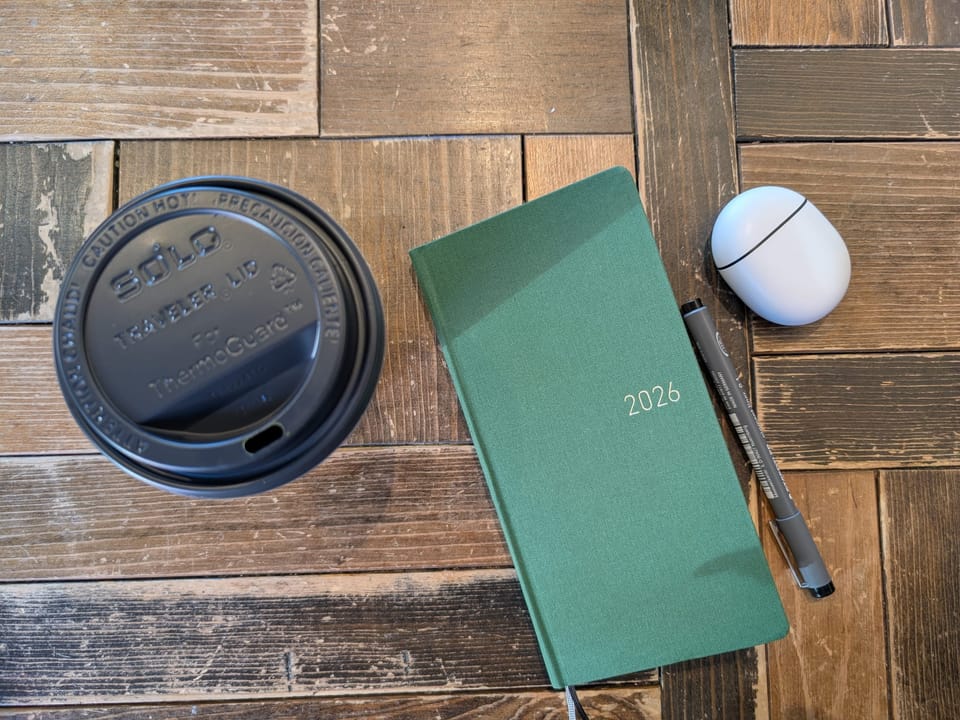
I wrote my first techo kaigi last year, and it was such a helpful process that I repeated it for this year! While I've used planners on and off for many years, the end of 2024 was the first time that I really sat down and took the time to analyze what worked and didn't work well for me when I use planners. This helped me clarify what I actually wanted from my planners and journals for 2025. I credit this thoughtfulness and intentionality for my success - 2025 was the first year I have ever used a planner every day from start to finish!
If you're unfamiliar, a techo kaigi is a Japanese term for a meeting you have with yourself about your planner and journal use over the past year (or whatever length of time you choose) to see what is and isn't working for you and what you may like to change, and to decide what you'd like for the next year. (To be honest, I'm not 100% sure if the year is supposed to be the year you're reviewing (i.e. Techo Kaigi 2025) or for the year to come, and I've seen it both ways. It makes the most sense to name the year I'm reviewing, so here we are.)
Start of 2025
I started 2025 with a few planners and notebooks:
- Jibun Techo DIARY A5 (weekly vertical view, no individual day pages) for keeping track of to do's, a record of my schedule, and short notes about my day.
- Jibun Techo DAYS A5 (individual pages per day, no weekly view) for longer journal entries.
- Stalogy 1/2 Year notebook A5 to keep track of various projects and ideas for my business.
For more specifics and photos of each, check out this entry:
 Kate Thomas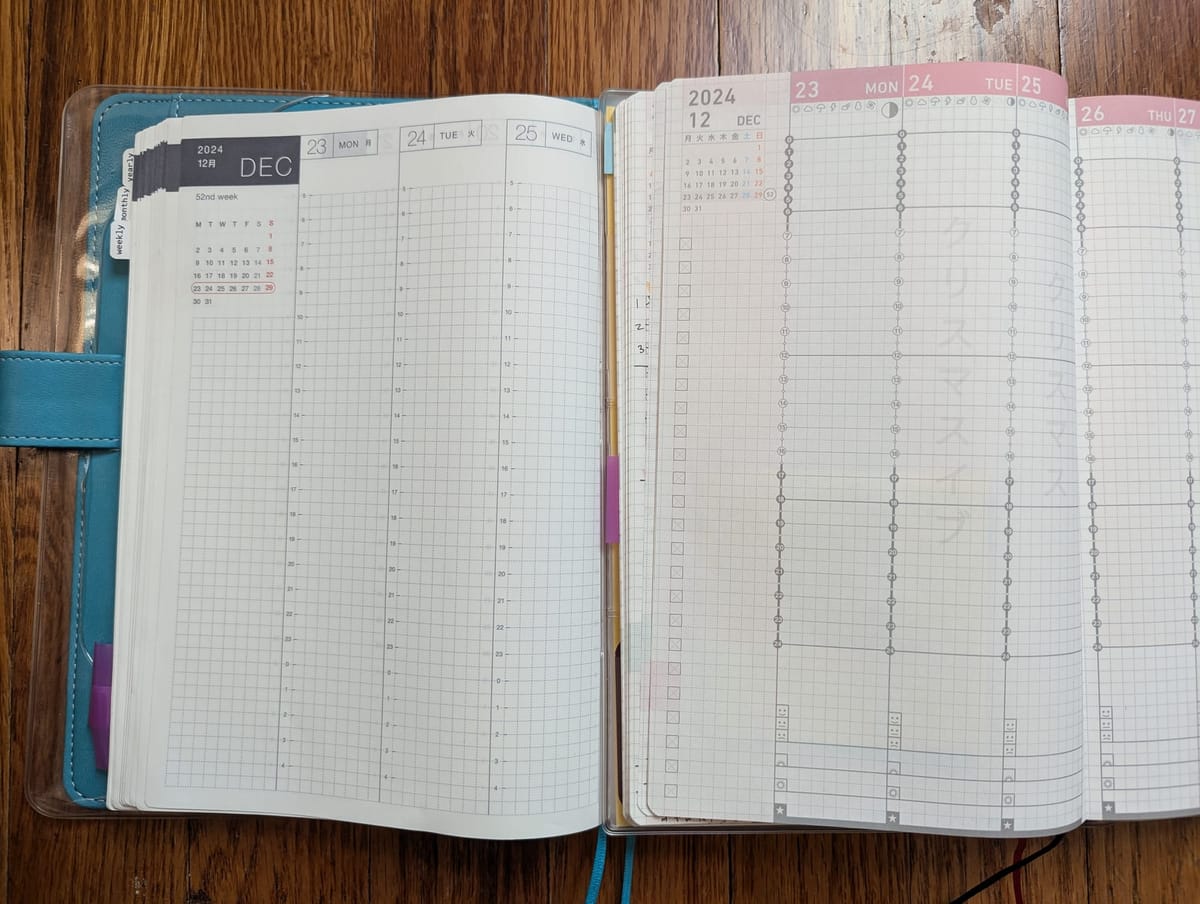
I finished the year with all the notebooks still in use, to varying degrees. 🎉 The Jibun DIARY (weekly) was my most complete, and I used it every week for a mix of a to-do list, record of my schedule, and memory keeping. Being able to add short, quick notes for the day made it much easier to keep up with, and I've really enjoyed being able to look back and see an overview of what happened throughout the year. But, ironically, I didn't do much forward thinking or planning in it - it was much more a retrospective of what had already happened.